If you have received an HPD violation, start with the Notice of Violation itself. Identify the cited condition, hazard class, apartment or area, correction date, and certification date. Then inspect, repair, document, and certify through the method HPD provides. Do not certify work that is incomplete.
Confirm the notice and its dates
Check the violation in HPD Online using the property address. Make sure your HPD property registration and managing-agent information are current, because HPD mails notices to the last validly registered contact.
HPD classifies violations as A, B, or C, but the actual notice controls the dates and instructions for your case. Some conditions also require specific work practices or supporting records. If anything is unclear, use HPD’s owner resources or obtain qualified legal or technical advice.
Inspect the condition promptly
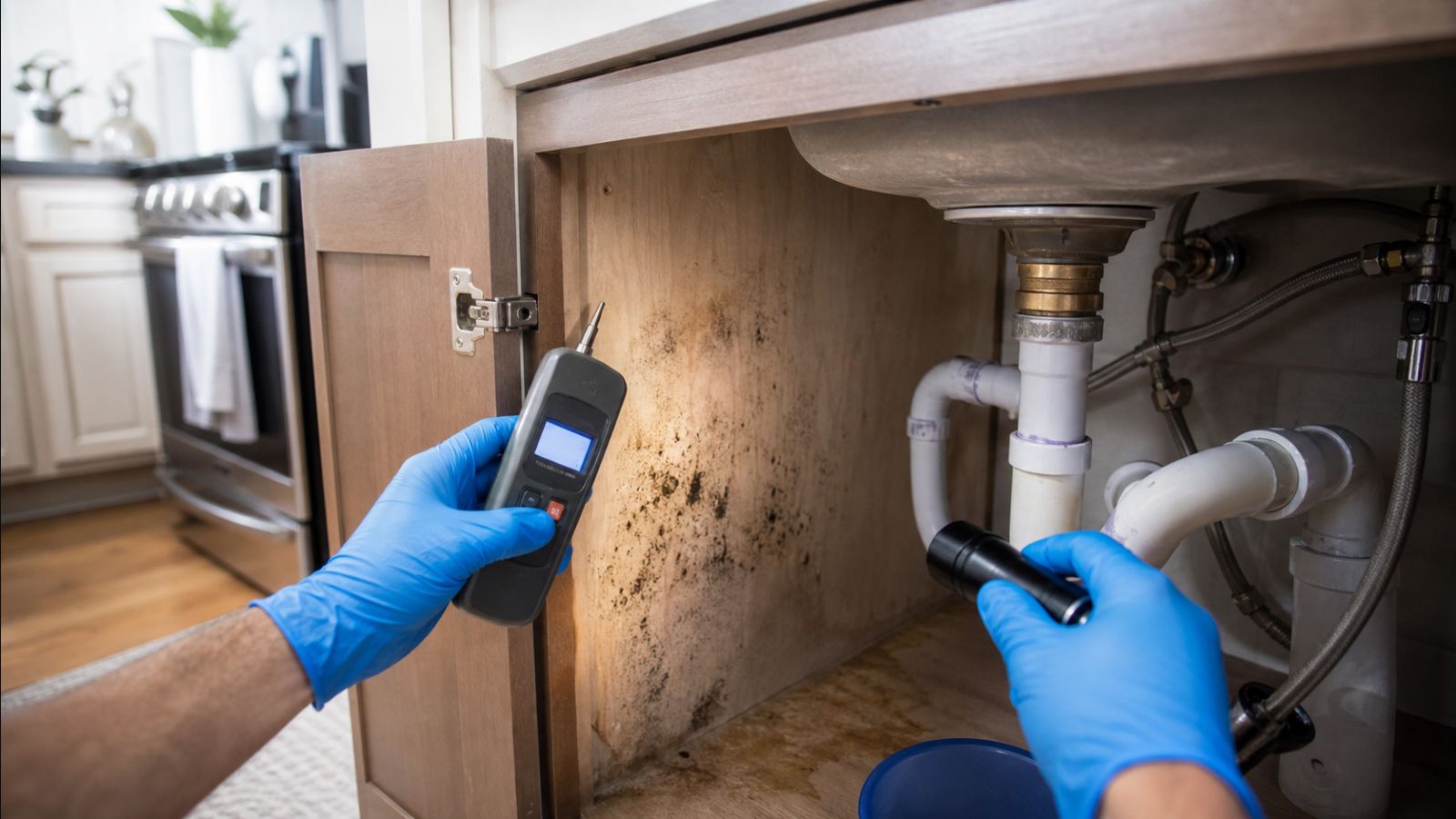
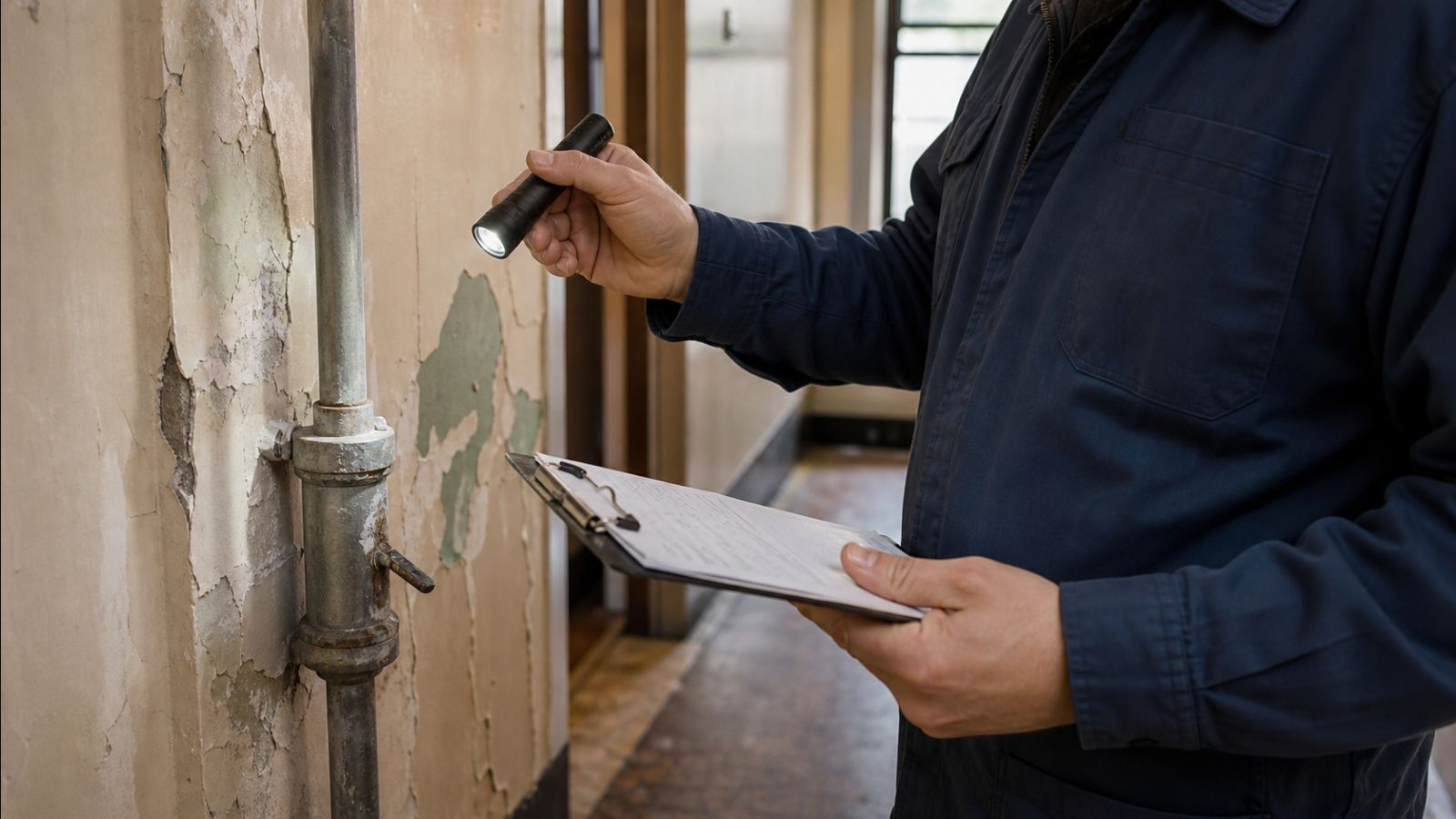
Contact the resident professionally, arrange lawful access, and inspect both the reported condition and its likely cause. For a leak or mold complaint, repairing only the visible surface may leave the underlying problem open. The documentation checklist in Mold, Pests, and Leaks can help organize the repair record.
Build one correction file
Keep the key records below together. Avoid photographs that unnecessarily expose a resident’s personal belongings or private information.
- The complete Notice of Violation
- Dated inspection notes and appropriate photos
- Resident access communications
- Contractor scope, invoice, and completion record
- Permits or licensed-professional records when required
- The submitted certification and confirmation
Certify only after proper correction
HPD states that Certification of Correction is free and must be submitted within the applicable timeframe. Follow the notice’s instructions and use eCertification when eligible. A resident can challenge a certification, and HPD may audit or reinspect the condition.
Certification and a Violation Dismissal Request are different processes. As of July 1, 2026, HPD directs dismissal-request applications to its Central Violations Administration Unit at 345 Adams Street, 10th Floor, Brooklyn. Confirm the current instructions before sending anything.
Monitor until the record is resolved
Save the submission receipt and check HPD Online. If the violation remains open, determine whether HPD requires more documentation, reinspection, or a dismissal request. The broader path that can lead to a violation is explained in From a 311 Complaint to an HPD Correction .
EstatesCheck can keep the notice, repair request, evidence, dates, and follow-up attached to the same property record. That helps a small landlord see what still needs attention without treating software as a substitute for HPD instructions.
This article provides general information and is not legal advice.