To document mold, pests, and leaks in NYC, build a record from the resident’s first report through the completed repair. The goal is not to collect as many photos as possible. It is to show what was reported, what caused it, how access and repairs were handled, and what confirmed that the condition was addressed.
Record the first report
Save the date, time, apartment or common area, resident’s description, and any immediate safety concern. Acknowledge the report and explain the next step. Do not ask a resident to diagnose the cause.
The July 16, 2026 Rental Ripoff Report said 16% of testimony referenced pests, 13% mentioned mold, and 13% cited leaks. Those figures describe testimony submitted to the City; they are not prevalence rates for all NYC apartments.
Inspect the condition and its source
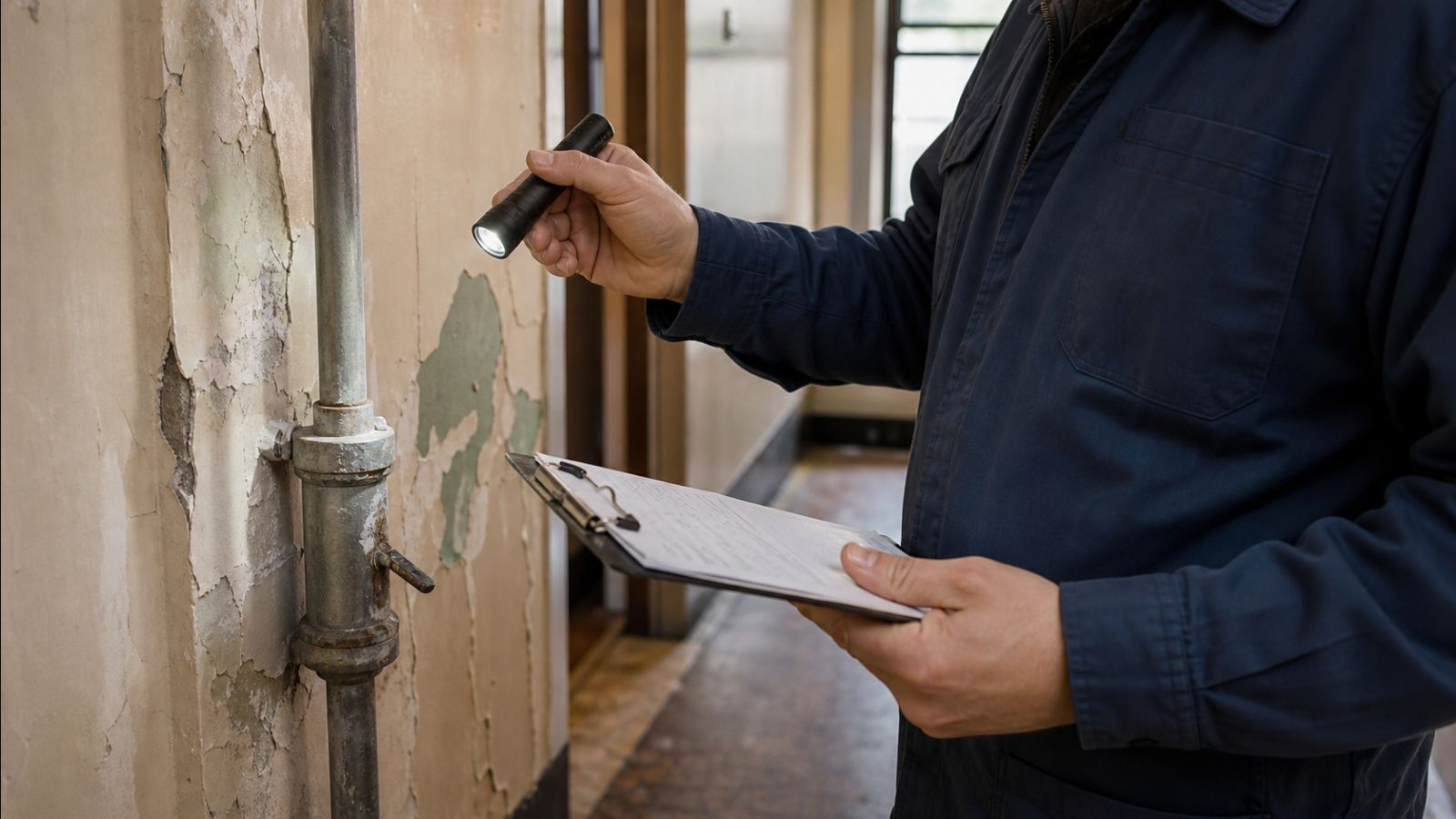
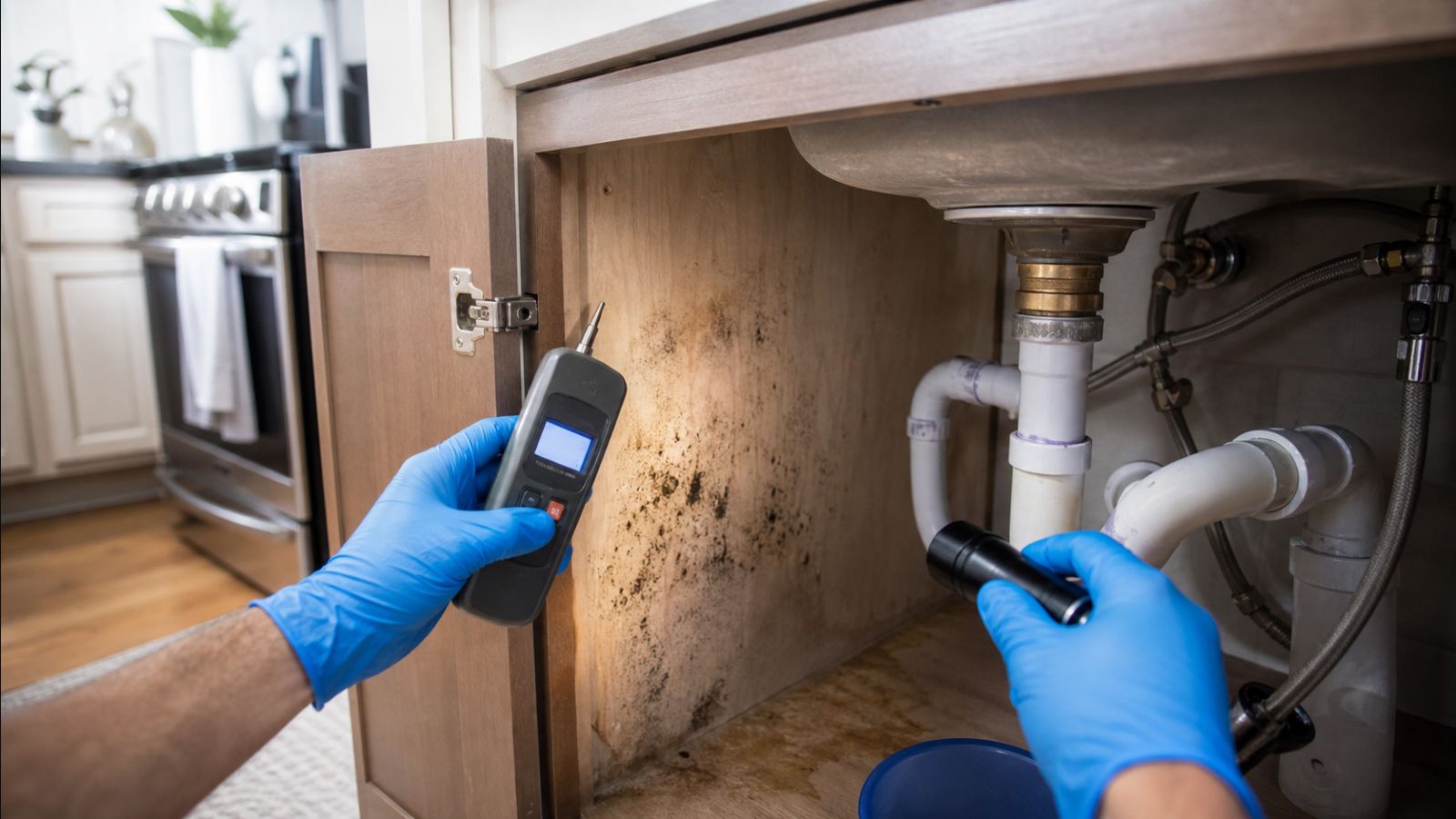
Create a dated inspection note covering the points below. HPD advises fixing leaks and cracks that contribute to mold or pests. For buildings with three or more apartments, Local Law 55 includes specific owner duties concerning indoor allergen hazards, annual inspections, notices, and safe work practices.
- Where the condition appeared
- Visible moisture, entry points, or damaged materials
- Measurements or professional findings, when appropriate
- Related conditions in nearby areas
- The planned repair and person responsible
Keep access and communication records
Document when access was requested, the notice given, the resident’s response, and whether access occurred. Keep messages factual and respectful. If access is delayed, continue communicating and get advice about the lawful next step rather than entering improperly.
Document the repair, not only the symptom
Keep the work order, contractor details, materials or methods used, invoice, and completion date. For leaks, record the plumbing, roof, facade, or other source repair as well as interior restoration. For pests, document the corrective work and any underlying entry or sanitation condition addressed.
Use appropriately framed before-and-after photos. Avoid faces, identifying documents, medication, family photos, and unrelated belongings. Store sensitive images securely.
Confirm and retain the outcome
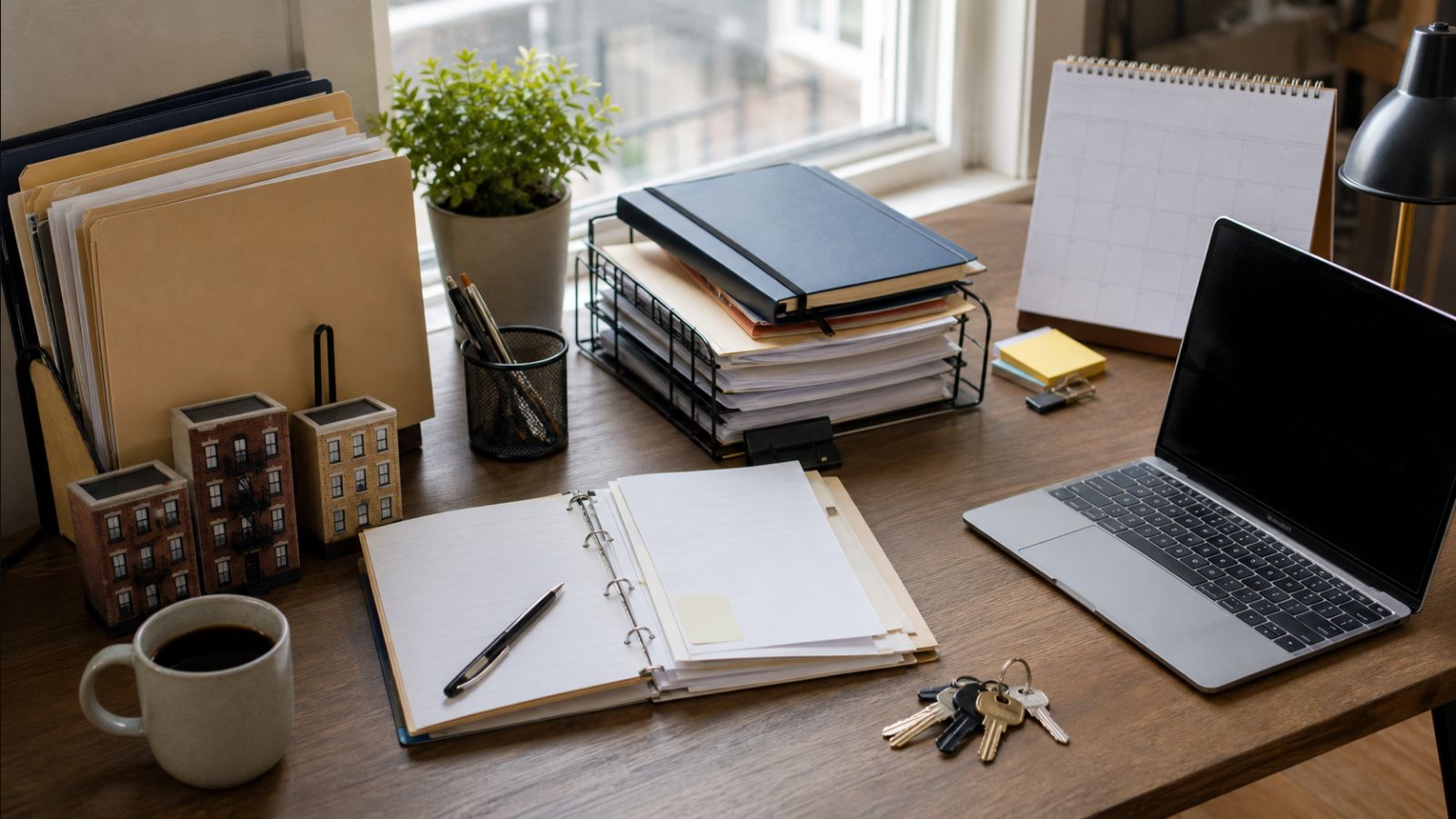
Follow up with the resident, note any remaining issue, and schedule reinspection when appropriate. If HPD issued a violation, follow the separate steps in What to Do After an HPD Violation . For a repeatable filing system, see 7 Ways NYC Landlords Can Stay Organized .
EstatesCheck can connect the request, access messages, contractor work, photos, documents, and follow-up to the property. That creates a more understandable repair history for both the owner and the people doing the work.
This article provides general information and is not legal advice.