The path from a 311 complaint to an HPD correction usually begins before an inspector arrives. A resident reports a condition to the owner. If it is not resolved, the resident may contact 311. HPD can then contact the owner, follow up with the resident, inspect, and issue a violation when a cited condition is found.
A resident reports a problem
NYC guidance tells residents to contact the owner or managing agent first for apartment maintenance issues. Owners should acknowledge the report, assess urgency, arrange lawful access, and create a repair record. Heat, hot water, gas, electrical hazards, and other emergencies require immediate attention.
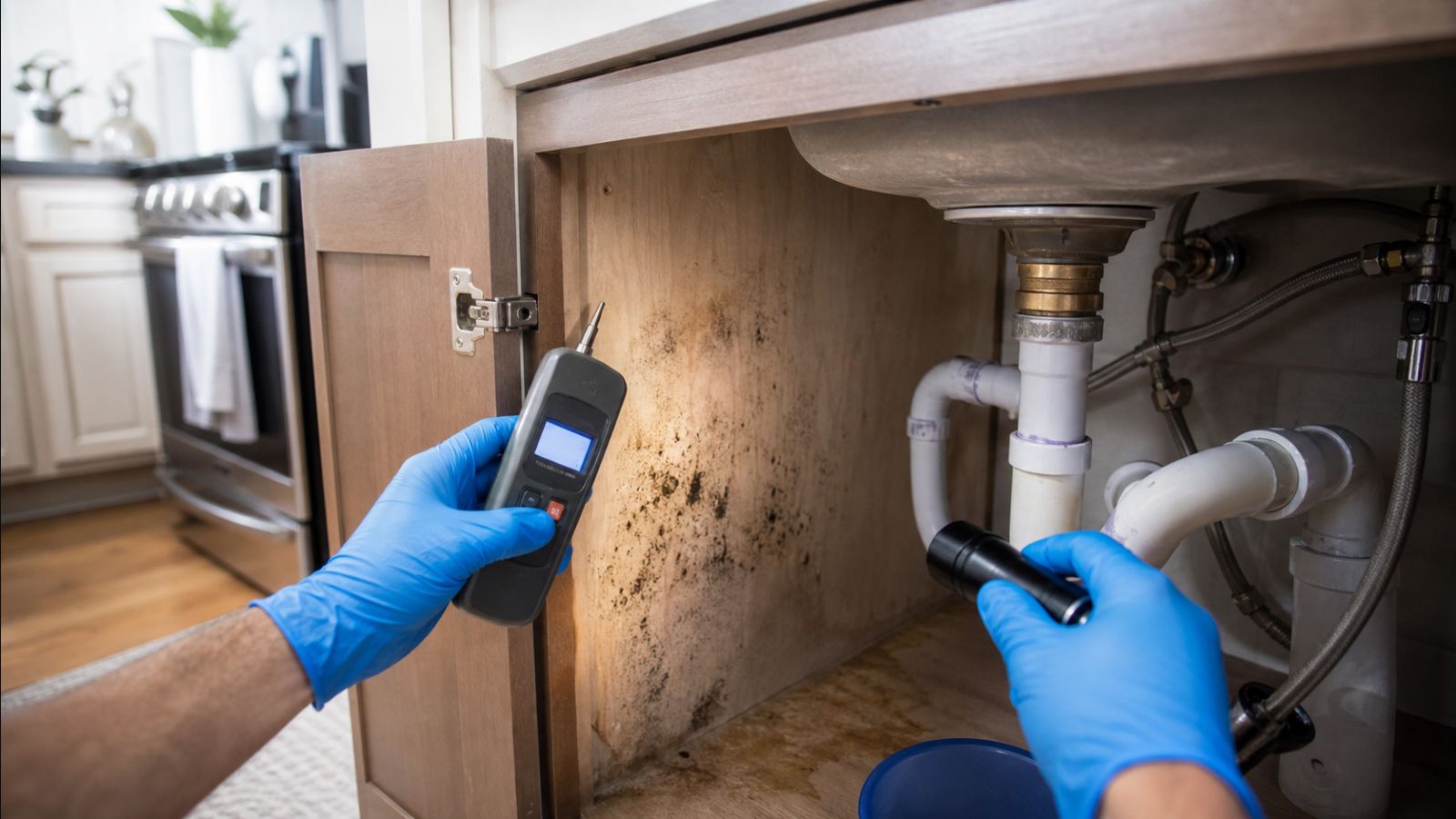
If the issue involves moisture or infestation, use the documentation steps in Mold, Pests, and Leaks: What NYC Landlords Should Document .
The resident contacts 311
When a complaint is filed, the resident receives a service-request number. HPD says it will attempt to notify the building’s managing agent that a complaint was received and may contact the resident to ask whether the condition was corrected.
An owner should not retaliate or argue about the complaint. Use it as another signal to locate the condition, communicate, and complete the repair.
HPD may inspect
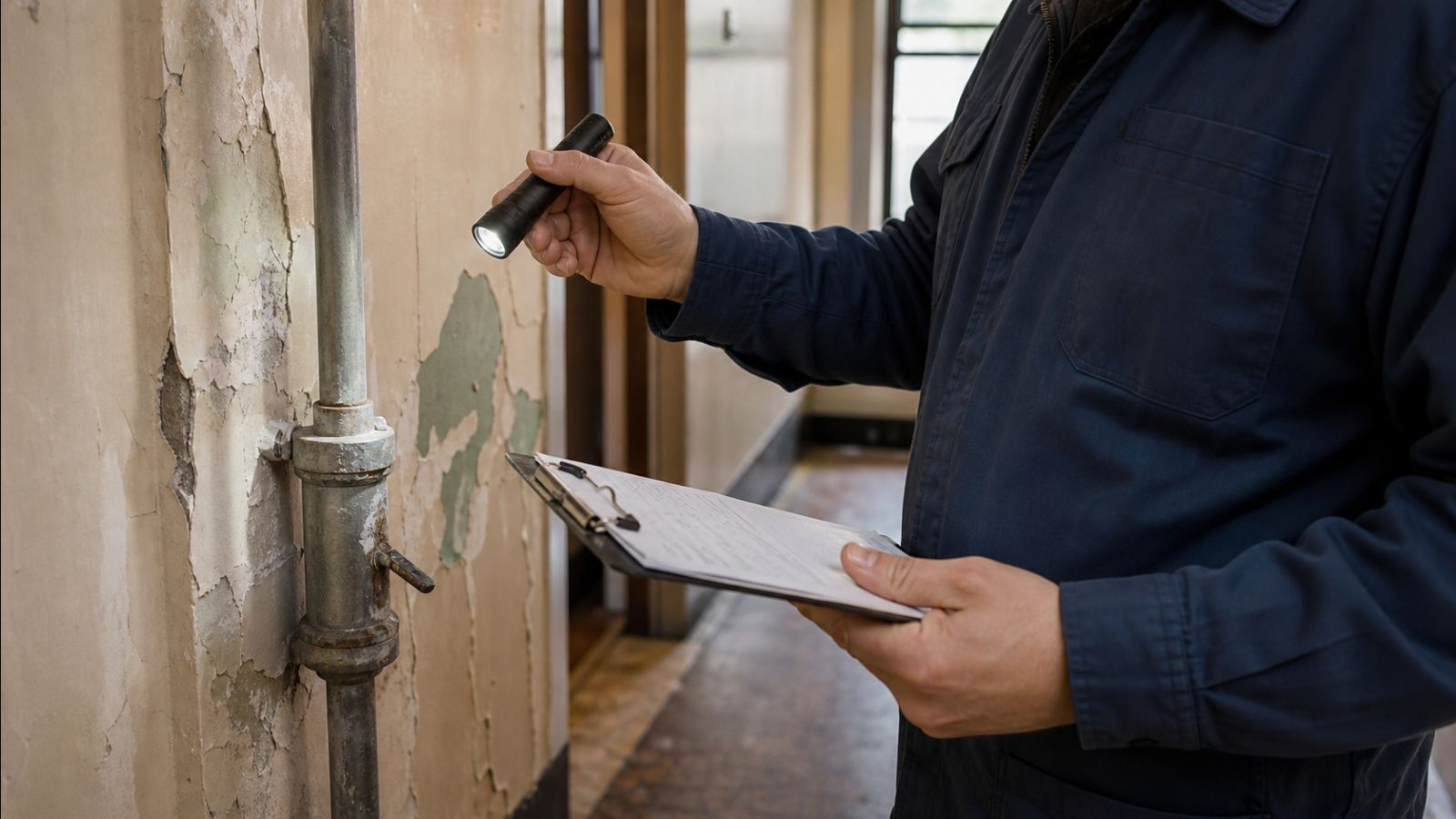
If the condition is not corrected or HPD cannot confirm correction, an HPD Code Enforcement inspector may visit. Owners generally are not told the inspection date. Inspectors may also check specified safety conditions beyond the original complaint.
If the inspector observes a violation, HPD sends a Notice of Violation to the registered managing agent or owner. The notice identifies the condition, hazard class, correction date, certification date, and instructions.
Repair and certification are separate steps
Correct the actual condition and any underlying cause. Then follow the notice’s certification instructions. Keep access messages, inspection notes, contractor records, appropriate photos, and submission confirmation.
A certification can be challenged, and HPD may reinspect. Never certify work before it is properly completed. If you already have a notice, follow the focused checklist in What to Do After an HPD Violation .
Check the record after submission
Monitor the service request and HPD Online record. A complaint, a violation, a certification, and final closure are related but not identical events. Keep each status and date clear.
EstatesCheck can connect the original report, resident messages, repair history, violation, evidence, and follow-up to one property. That helps a small landlord understand the full sequence instead of treating the 311 call as an isolated event.
This article provides general information and is not legal advice.