NYC landlord organization does not require a complicated system. It requires one reliable place for each property’s records, a short weekly review, and a clear way to connect a tenant report to the work that followed. These seven habits help a busy owner stay ready without turning every evening into paperwork.
1. Keep one file for each property
Store the deed or management agreement, insurance information, registrations, leases, vendor contacts, and important notices under the property address. Use the same address format everywhere so searches do not split one building into several records.
2. Separate property records from tenant records
Building registrations, boiler information, and common-area repairs belong with the property. Leases, renewal notices, rent records, and tenant communications belong with the apartment or tenancy. Limit access to personal tenant information.
3. Turn every repair request into a timeline
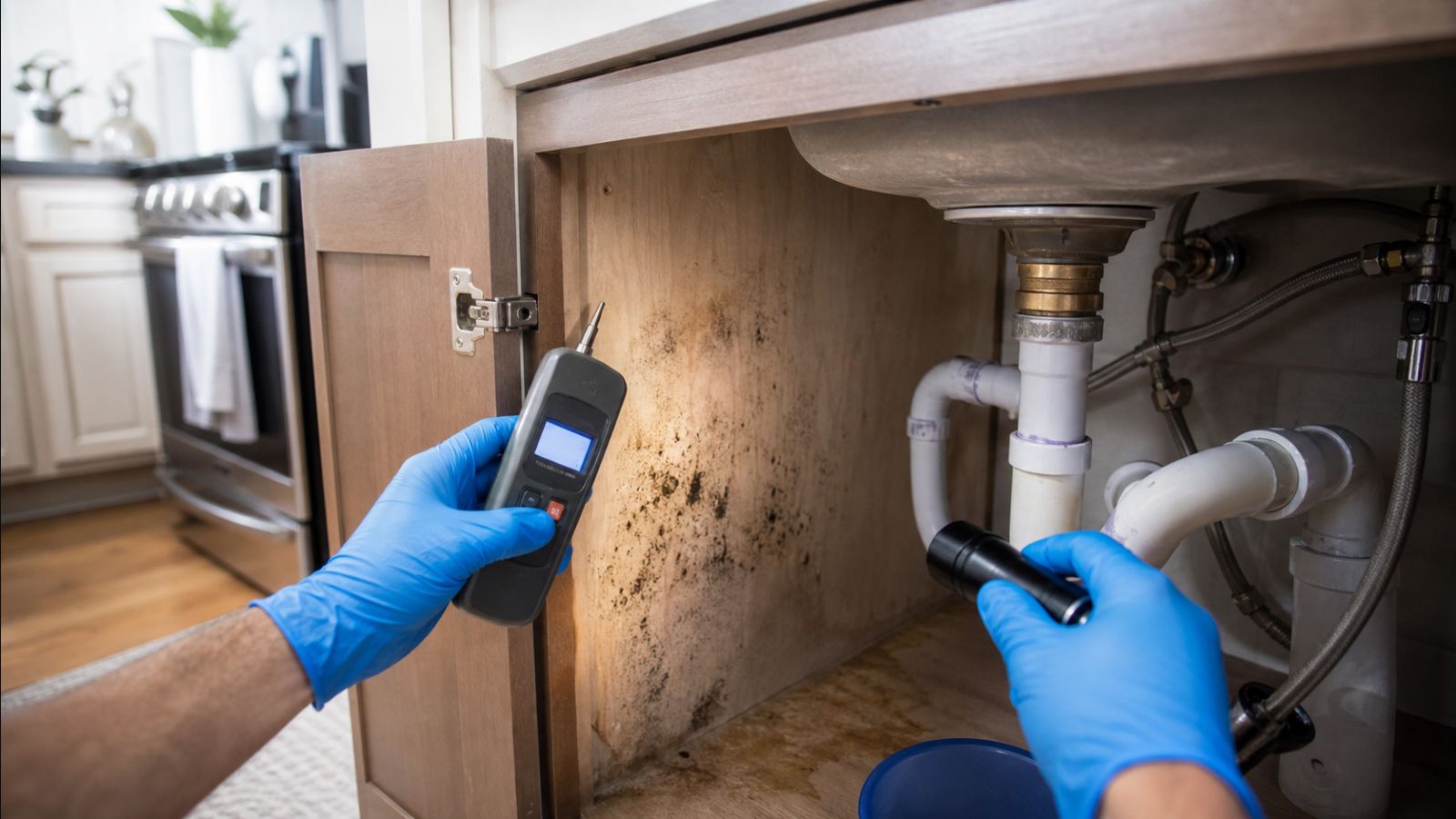
For each request, record the main events below. This is especially useful for conditions covered in Mold, Pests, and Leaks: What NYC Landlords Should Document .
- When it was received
- What the resident reported
- When access was requested or provided
- Who inspected or repaired the condition
- What confirmed completion
4. Save the original notice
Keep the complete email, letter, violation, or agency notice—not only a reminder copied from it. Record the property, issue, correction date, certification date, and source link. If dates conflict, follow the official notice and get qualified advice.
5. Use a recurring compliance calendar
Put annual filings, lease-renewal work, heat-season preparation, inspections, and insurance reviews on one calendar. The Simple NYC Landlord Compliance Calendar provides a practical starting point, but each building may need additional entries.
6. Review open work once a week
Choose a fixed time to review overdue repairs, unanswered messages, expiring documents, and upcoming dates. A 20-minute weekly check is more useful than relying on memory when several issues arrive together.
7. Close the loop
Do not mark work complete when a contractor leaves. Add the invoice, completion note, after-photo where appropriate, resident follow-up, and any agency certification. Preserve records according to applicable requirements and your professional adviser’s guidance.
EstatesCheck can connect properties, tenants, maintenance history, messages, documents, and reminders in one workspace. That gives a small landlord a clearer view of what is open and what evidence supports completed work.
This article provides general information and is not legal advice.